Know Your Water Heater's Type and Lifespan
Understanding the type and lifespan of your water heater is fundamental to maintaining household efficiency and ensuring cost-effectiveness over time. As the backbone of home water heating systems, a water heater directly impacts energy consumption and household utility expenses. According to Today's Homeowner, the lifespan of a water heater can range anywhere from eight to 20 years, but the exact number of years your water heater lasts can depend on a variety of factors. By comprehending the various types available, homeowners can make informed decisions that align with their usage needs and environmental preferences. In addition to the types of heaters, recognizing the expected lifespan of these units aids in budgeting for future replacements and avoiding unexpected failures. Overall, being knowledgeable about your water heating system contributes significantly to sustainable living and operational efficiency.
Conventional Storage Water Heaters
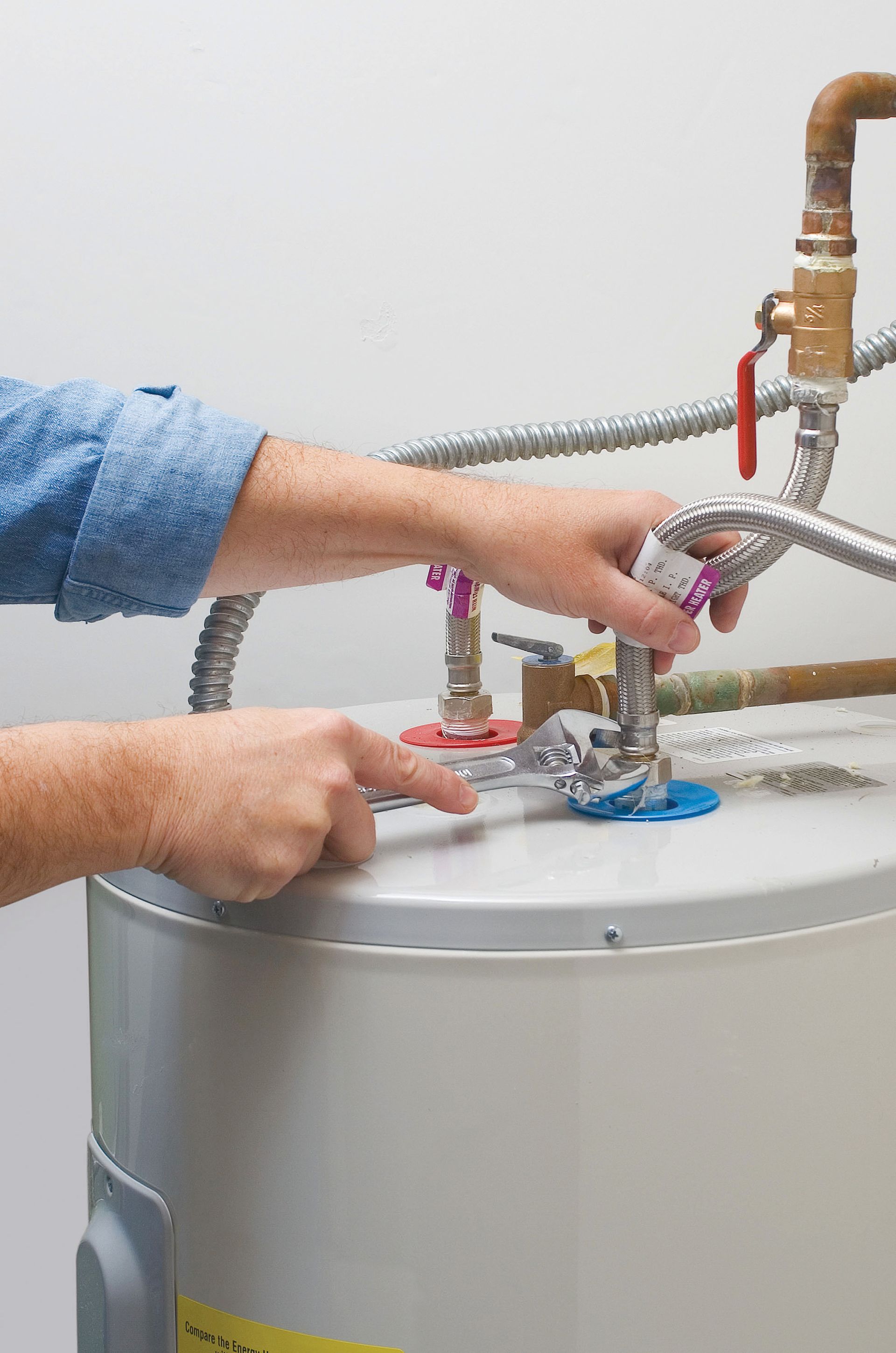
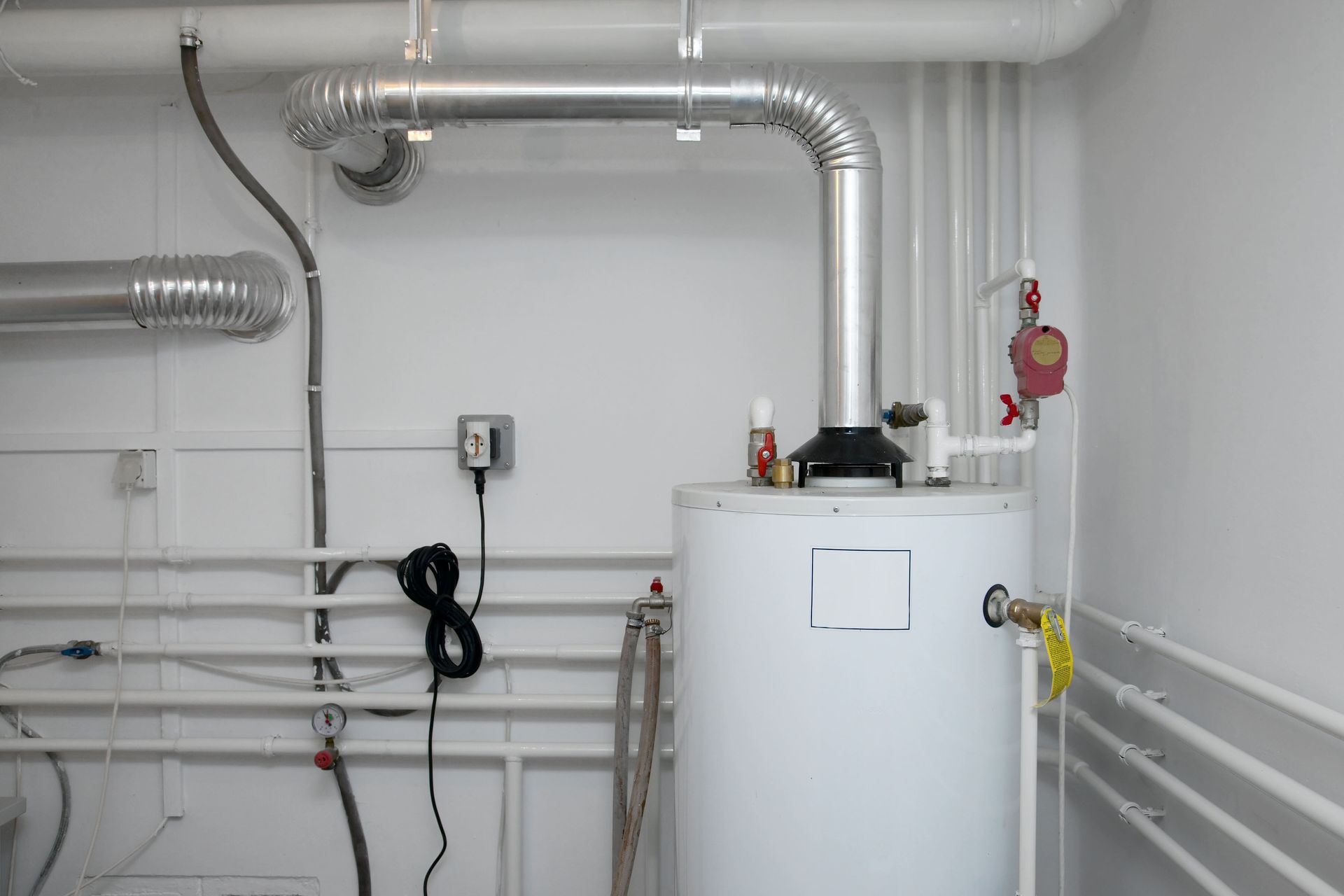
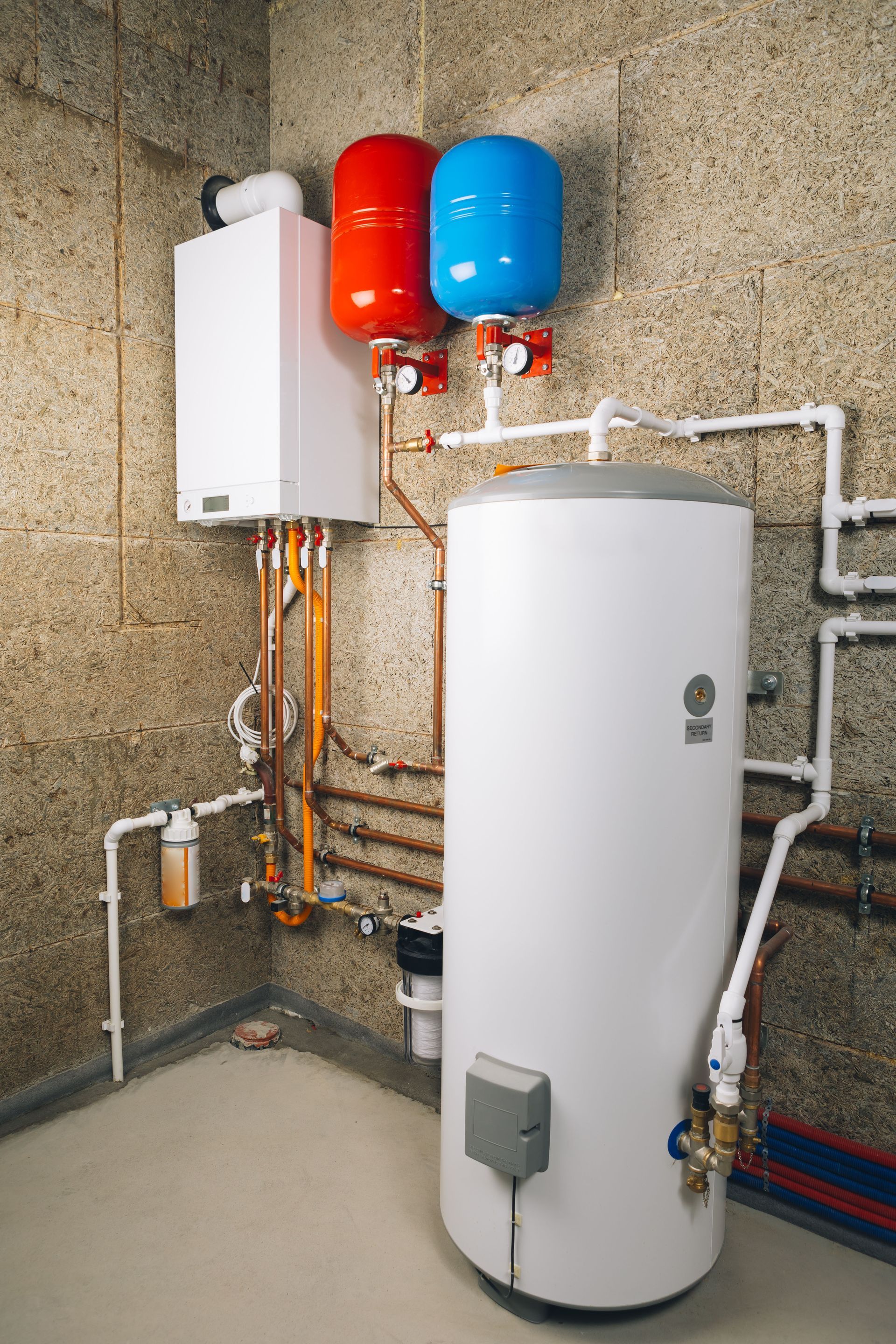
Conventional storage water heaters are among the most common types found in homes today. These units operate by heating water in a tank, which is then stored for use until needed. Their wide availability and relatively lower upfront cost make them a popular choice for many households. However, their continuous energy use to keep stored water hot can lead to higher utility bills. Despite this, their straightforward design and mature market presence offer a reliable water heating solution for many. Functionally, these heaters are simple yet effective, equipped with thermostat controls to maintain the desired water temperature. The capacity of these tanks can vary considerably, ranging from 20 to over 80 gallons in our experience, allowing homeowners to choose based on their consumption patterns. Their operational simplicity does mean they require regular maintenance, such as periodic tank flushing to remove sediment deposits.
In addition to their simplicity and affordability, conventional storage water heaters remain a dependable option for households seeking consistent hot water supply. They are especially beneficial in areas with stable energy costs and for families whose hot water usage follows a predictable pattern. Modern versions also come equipped with better insulation and energy-efficient components, helping to reduce standby heat loss and improve overall performance. For homeowners looking to maximize longevity and efficiency, upgrading to models with high Energy Factor (EF) ratings or incorporating smart thermostats can make a noticeable difference. When maintained properly, these traditional systems continue to provide a practical balance of reliability, cost, and convenience.
Tankless Water Heaters
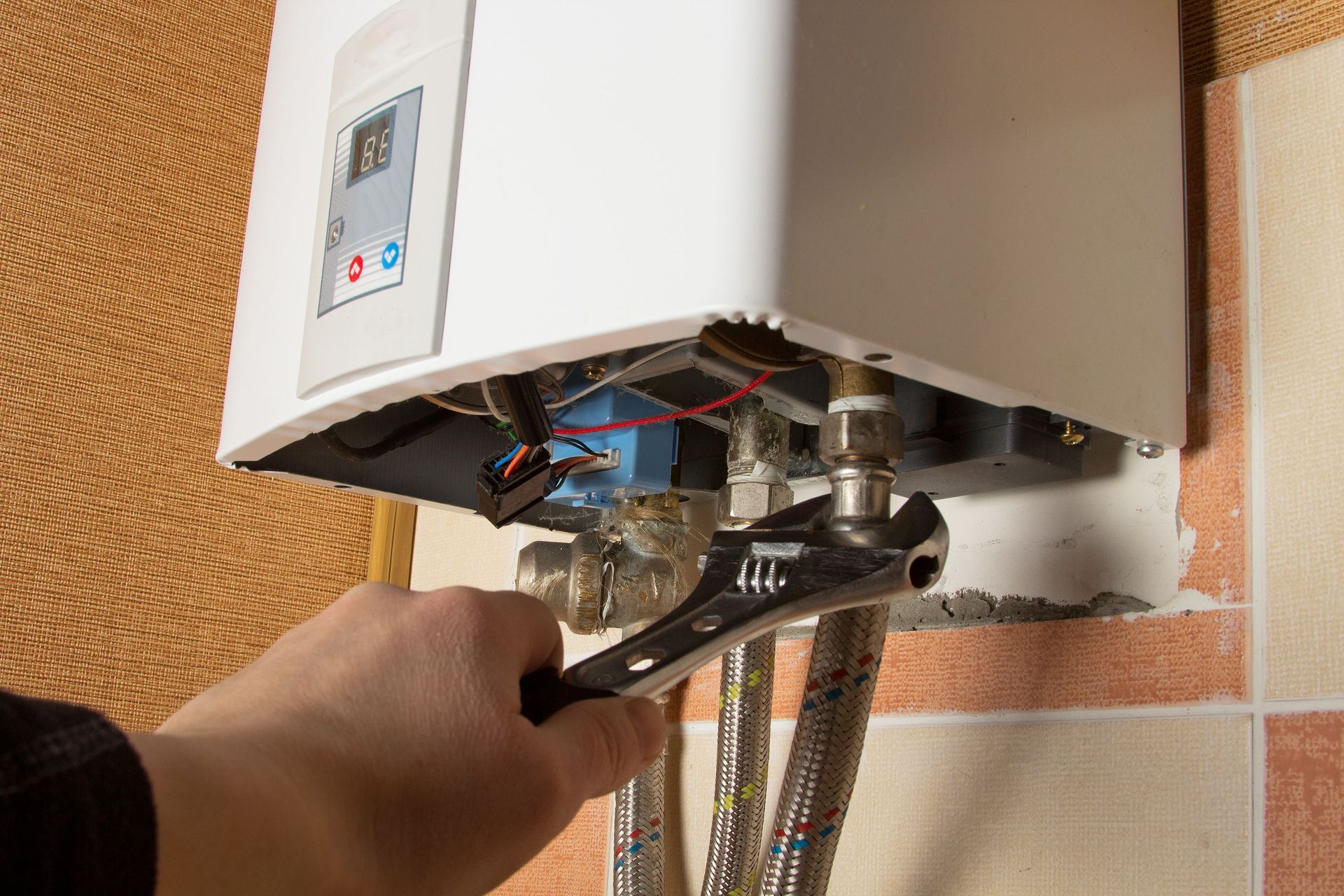
Tankless water heaters, also known as on-demand models, offer unique advantages in terms of energy savings. Unlike traditional systems, they heat water only as needed, reducing the energy waste associated with maintaining hot water in storage. This makes them an attractive option for environmentally conscious homeowners. Their compact design also frees up valuable space, allowing for installation in tight areas. A major advantage is their ability to provide continuous hot water, which can be particularly useful for large families. However, they do have limitations when multiple appliances are used simultaneously, as the flow rate may not meet heavy demand. Despite higher upfront costs, tankless water heaters typically offer long-term savings through improved energy efficiency and reduced operating costs.
Heat Pump Water Heaters
Heat pump water heaters are renowned for their energy efficiency and environmental benefits. Instead of generating heat directly, they draw warmth from the air or ground and transfer it to the water, using far less electricity. These systems work best in warm climates where they can efficiently extract ambient heat, although hybrid models include backup heating elements for cooler conditions. While the initial investment can be higher, the long-term savings and eco-friendly performance make them appealing to homeowners focused on sustainability. Regular filter cleaning and professional inspections are essential to maintain optimal function and longevity, ensuring consistent performance throughout their lifespan.
Solar Water Heaters
Solar water heaters utilize renewable energy from the sun, significantly lowering operational costs and reducing a household’s carbon footprint. These systems can provide substantial long-term savings, especially in regions with abundant sunlight. They come in two primary designs—active and passive systems. Active models use pumps or fans to circulate fluid, while passive ones rely on natural convection. Although installation costs can be higher and dependent on climate suitability, available tax credits and rebates can make solar heaters an appealing investment. Proper planning and professional assessment are crucial to ensure efficiency and compliance with local regulations. Beyond cost savings, solar water heaters represent a meaningful step toward sustainable living and reduced environmental impact.
Condensing Water Heaters
Condensing water heaters represent a leap forward in high-efficiency gas heating technology. They operate by capturing and reusing heat from exhaust gases that would otherwise be wasted, resulting in superior energy performance. This process maximizes fuel efficiency and significantly cuts utility expenses over time. These models are ideal for homes with high hot water demand, offering consistent performance and lower emissions. However, they require specific venting systems and professional installation due to their advanced design. Routine inspections are also recommended to maintain optimal operation. The environmental benefits are substantial, as condensing models contribute to lower greenhouse gas emissions while providing reliable, cost-effective service. For homeowners transitioning from conventional systems, they offer an excellent balance between advanced performance and environmental responsibility.
Factors Affecting Water Heater Lifespan
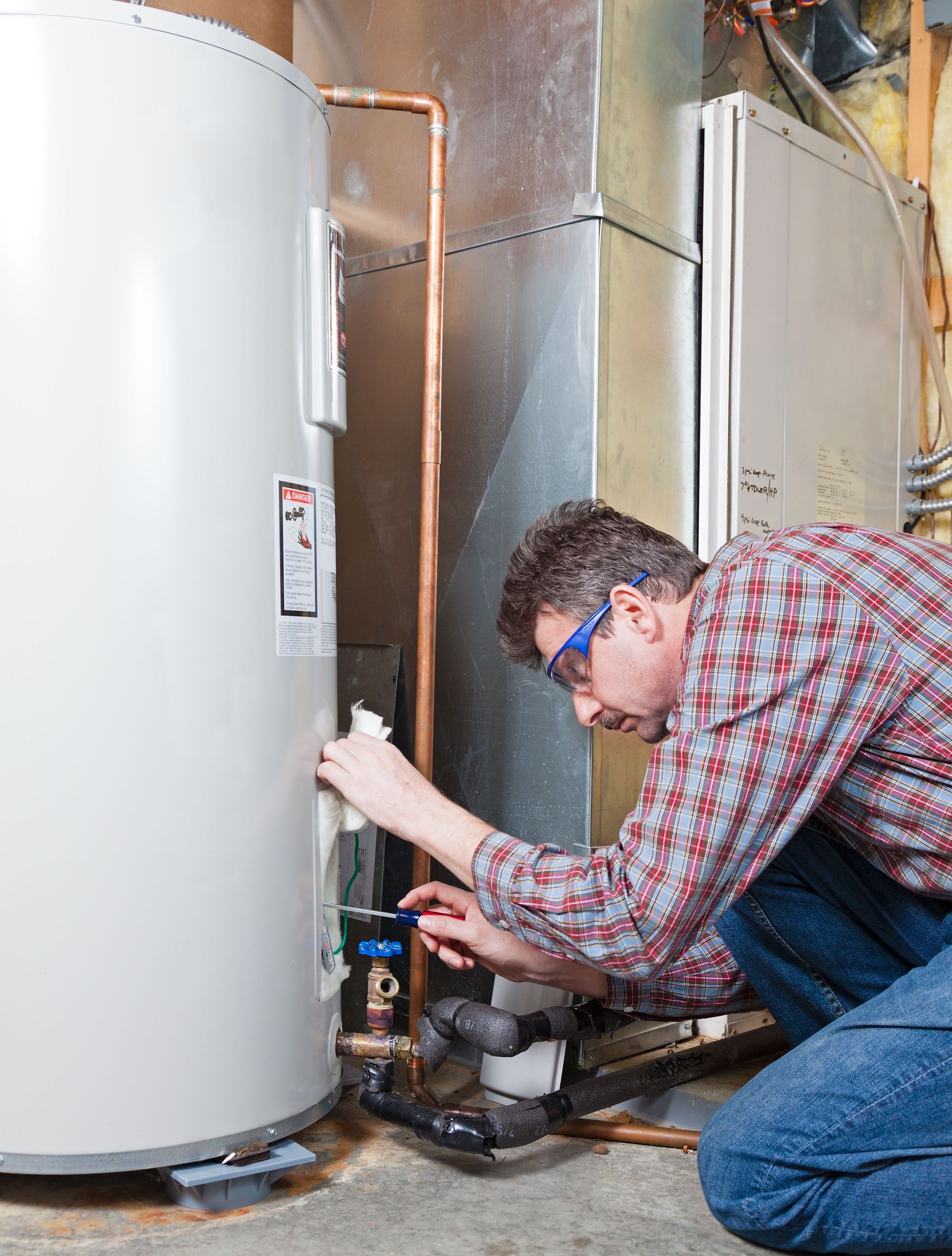
The longevity of a water heater depends on several key factors, including water quality, maintenance, and installation standards. Hard water, rich in minerals, can cause limescale buildup inside the tank, leading to reduced efficiency and premature failure. Regular flushing and the use of water softeners can mitigate these effects. Proper maintenance—such as checking valves, replacing anode rods, and inspecting components annually—ensures consistent operation and prevents costly breakdowns. Installation quality is equally critical; a poorly installed unit can suffer from leaks, inefficiency, and safety risks. Professional installation guarantees compliance with local codes and proper configuration, extending the heater’s lifespan. Ultimately, understanding these factors allows homeowners to take proactive measures that enhance reliability, safety, and efficiency over time.
Signs It’s Time for Replacement
Recognizing when to replace a water heater is crucial for avoiding sudden breakdowns and maintaining household comfort. One of the earliest indicators is inconsistent water temperature—unexpected cold spells or fluctuating heat levels suggest internal wear or sediment buildup. Strange noises, leaks around the base, or discolored water also point to deterioration. If the unit is more than a decade old and frequently requires repairs, replacement is often the most economical solution. Energy efficiency declines as systems age, leading to higher utility bills and reduced performance. Consulting a professional plumber ensures an accurate assessment of whether repair or replacement is the best course of action. Timely intervention not only prevents inconvenience but also provides the opportunity to upgrade to a more efficient and environmentally friendly model.
Understanding your water heater’s type, efficiency, and expected lifespan empowers homeowners to make smart, cost-effective decisions. From traditional tank-based systems to advanced heat pump and solar models, each option offers unique advantages that align with different household needs and budgets. Regular maintenance, attention to water quality, and professional installation are vital to prolonging system life and ensuring consistent performance. Recognizing warning signs early prevents unexpected breakdowns and costly repairs. To ensure your system operates at peak efficiency and to explore the best upgrade options for your home, contact South Hills Plumbing & Heating. Their expert technicians specialize in professional installation, maintenance, and replacement services—helping you enjoy reliable hot water, improved efficiency, and lasting peace of mind.

Share On: