How to Prevent a Leaking Water Heater
A leaking water heater can quickly turn from a small inconvenience into a major household problem. Water damage, mold growth, higher utility bills, and interrupted access to hot water are just a few of the issues homeowners may face when leaks go unnoticed or untreated. Fortunately, many water heater leaks can be prevented with regular maintenance, smart equipment choices, and early attention to warning signs.
Understanding what causes a leaking water heater is the first step toward protecting your plumbing system and extending the lifespan of your unit. Whether you have a traditional storage tank or a modern tankless system, taking preventative measures can help you avoid expensive repairs and unexpected breakdowns. By staying proactive, homeowners can reduce stress and improve the overall efficiency of their hot water systems.
What Are the Common Causes of a Leaking Water Heater?
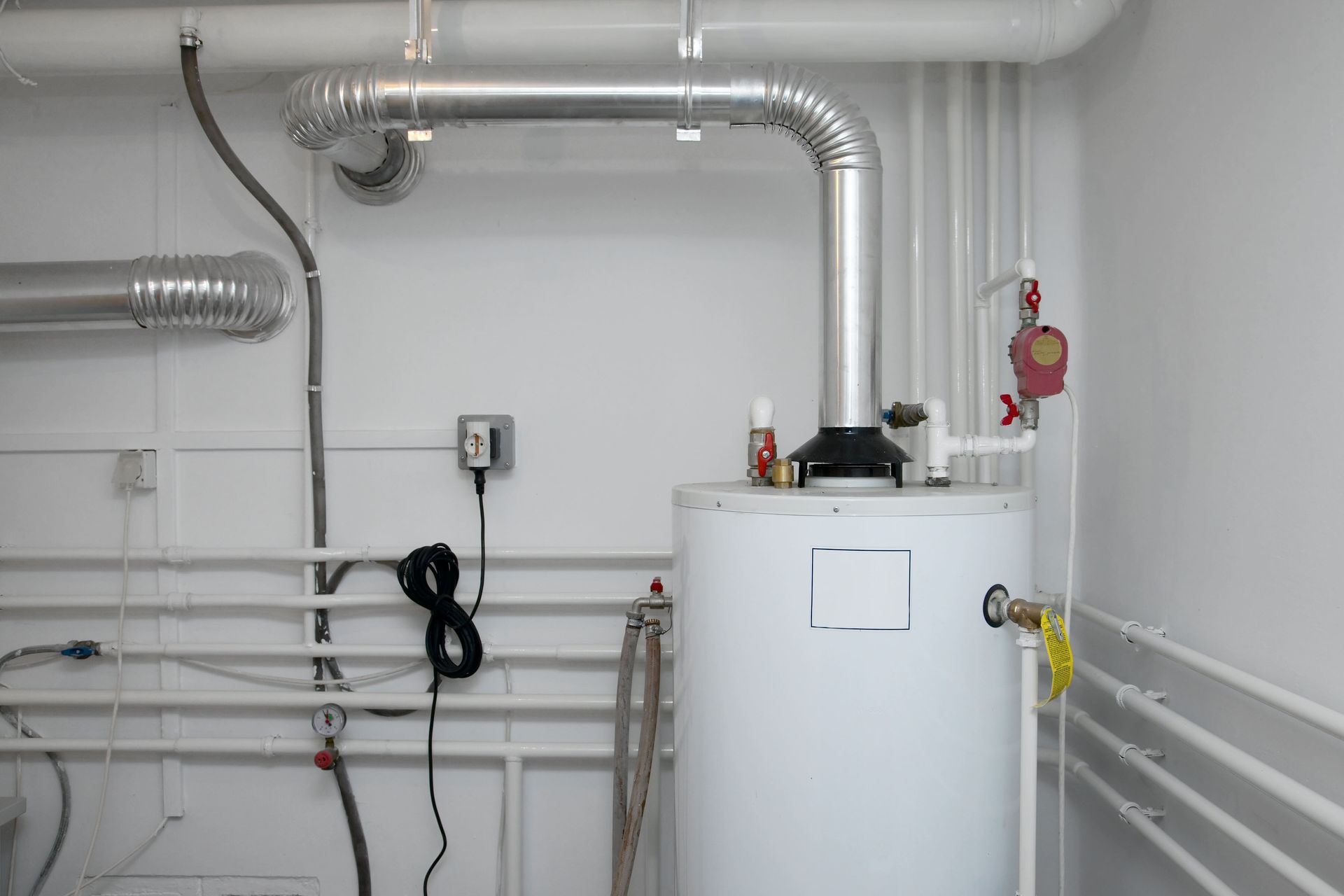
A leaking water heater can develop for several reasons, and understanding the most common causes can help homeowners take action before serious damage occurs. One of the leading causes is corrosion inside the tank. Over time, minerals and sediment from water settle at the bottom of the heater, causing the metal lining to weaken and rust. Once corrosion eats through the tank, leaks become almost inevitable.
High water pressure is another common contributor to water heater problems. Excessive pressure inside the system places stress on valves, pipes, and tank seams. If pressure builds beyond safe levels, small cracks or damaged fittings can develop, eventually leading to a leaking water heater. Installing a pressure-reducing valve and monitoring water pressure regularly can help minimize this risk.
Loose or faulty plumbing connections are also frequent sources of leaks. Water heaters rely on several inlet and outlet connections, and even a small gap or worn seal can allow water to escape. Over time, vibration and temperature fluctuations may loosen fittings, especially in older systems.
Temperature and pressure relief valves, commonly known as T&P valves, can also malfunction. These valves are designed to release excess pressure for safety reasons, but if they become damaged or worn, they may leak continuously. In some cases, homeowners mistake this for a tank leak when the issue is actually isolated to the valve itself.
How Can Regular Maintenance Prevent Water Heater Leaks?
Routine maintenance is one of the most effective ways to avoid a leaking water heater. Many homeowners overlook their water heater until a problem develops, but regular upkeep can identify issues early and help extend the life of the system.
One of the most important maintenance tasks is flushing the tank. Sediment buildup inside the tank can reduce efficiency and accelerate corrosion. Draining and flushing the tank at least once a year removes mineral deposits and helps prevent internal damage. This simple process can significantly reduce the risk of developing a leaking water heater over time.
Inspecting the anode rod is another valuable maintenance practice. The anode rod attracts corrosive elements in the water, helping protect the tank from rust. However, the rod gradually deteriorates and must be replaced periodically. A worn anode rod leaves the tank vulnerable to corrosion, increasing the likelihood of leaks.
Checking all visible connections and fittings is equally important. Homeowners should look for moisture, rust stains, or dripping water around pipes and valves. Catching these warning signs early can prevent minor issues from escalating into a major leaking water heater situation.
Temperature settings should also be monitored carefully. Water that is too hot increases pressure within the tank and accelerates wear on components. Keeping the thermostat set around 120 degrees Fahrenheit helps improve efficiency while reducing unnecessary strain on the system.
What Are the Signs of a Water Heater Leak?
Recognizing the early signs of a leaking water heater can help homeowners avoid extensive damage and costly repairs. In many cases, leaks begin gradually and become worse over time, making early detection especially valuable.
One of the most obvious signs is visible water around the base of the water heater. Even a small puddle should never be ignored. Water may come from loose fittings, valve issues, or cracks within the tank itself. If moisture continues to appear after cleanup, it is important to investigate further.
Rust-colored water coming from faucets can also indicate internal corrosion within the tank. As rust develops inside the unit, particles may enter the water supply. This often signals that the water heater is deteriorating and could eventually become a leaking water heater.
Unusual noises are another warning sign. Rumbling, popping, or banging sounds may result from sediment buildup at the bottom of the tank. These deposits force the system to work harder and can contribute to overheating and structural damage.
A sudden drop in hot water availability may also point to water heater issues. If the system struggles to maintain water temperature or runs out of hot water quickly, internal damage or component failure may be affecting performance.
Increased utility bills can sometimes reveal hidden problems as well. A leaking water heater often operates less efficiently, consuming more energy to deliver the same level of performance. Monitoring monthly utility costs can help homeowners spot problems before visible leaks appear.
How to Choose the Right Water Heater to Prevent Leaks?
Selecting the right water heater plays a major role in minimizing the risk of leaks and improving long-term reliability. Homeowners should consider several factors when choosing a new system.
Quality should always come first. Investing in a reputable brand with durable materials can reduce the chances of future problems. While cheaper units may appear attractive initially, they often have shorter lifespans and may be more susceptible to a leaking water heater issue over time.
Choosing the correct tank size is also important. A unit that is too small may work harder than necessary to meet household demand, increasing wear and tear. On the other hand, an oversized unit may waste energy and contribute to unnecessary operating costs. Matching the water heater capacity to the needs of the household improves efficiency and reduces stress on the system.
Many homeowners are also exploring tankless water heaters as an alternative to traditional storage tanks. According to Bob Vila, a tankless water heater can provide a continuous flow of hot water at a rate of two to five gallons per minute. Because tankless systems do not store large amounts of water, they may reduce the risk of a leaking water heater caused by tank corrosion or structural failure.
When Should You Consider Professional Help to Prevent a Leaking Water Heater?
While homeowners can handle some basic maintenance tasks, professional assistance is essential in many situations. Calling a licensed plumber at the right time can prevent a leaking water heater from causing serious structural damage or system failure.
Professional inspections are especially important for older units. As water heaters age, internal deterioration may not always be visible from the outside. A trained technician can identify weakening components and recommend repairs or replacement before leaks develop.
Persistent moisture around the tank should also prompt professional attention. Even if the source appears minor, hidden corrosion or valve damage may be present. Attempting to ignore the issue could allow a leaking water heater to worsen over time.
Water pressure concerns are another reason to contact a professional. Excessive pressure can damage plumbing fixtures throughout the home, not just the water heater. A plumber can test the system and install pressure-regulating equipment if needed.
Preventing a
leaking water heater requires a combination of routine maintenance, early detection, and smart equipment choices. By understanding the common causes of leaks and responding quickly to warning signs, homeowners can avoid costly damage and extend the life of their water heating systems. Regular inspections, proper maintenance, and professional support all contribute to safer and more reliable performance. With the right preventative approach, homeowners can reduce the risk of a leaking water heater and enjoy consistent access to hot water for years to come. If your water heater needs attention, reach out to the team at South Hills Plumbing & Heating today!

Share On: